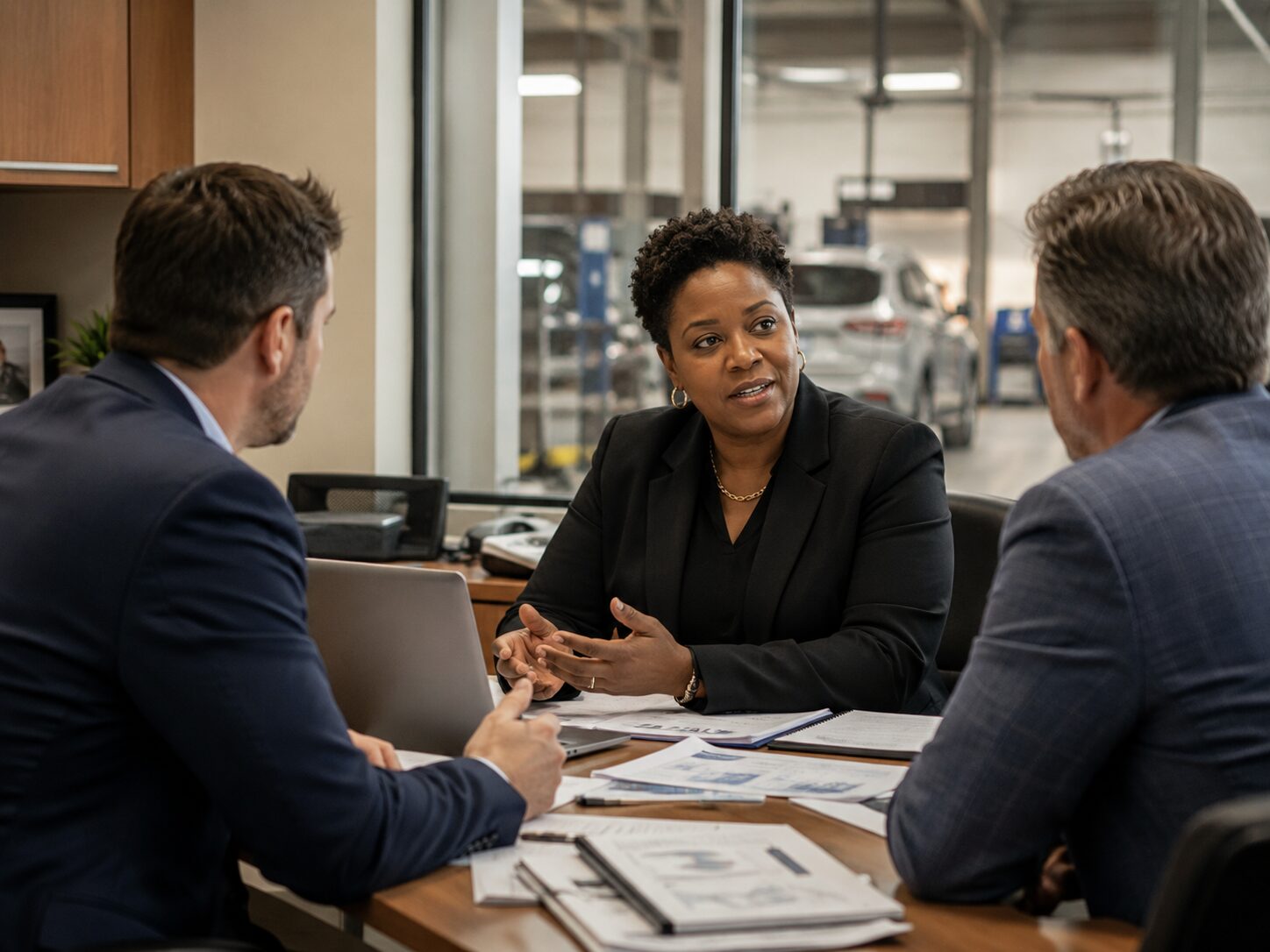
When too much rides on one GM, one service manager, one parts leader, one controller, or the dealer principal, everything gets harder — profitability, accountability, growth, and the ability to absorb leadership change.
A dealership should not be one retirement or resignation away from chaos.
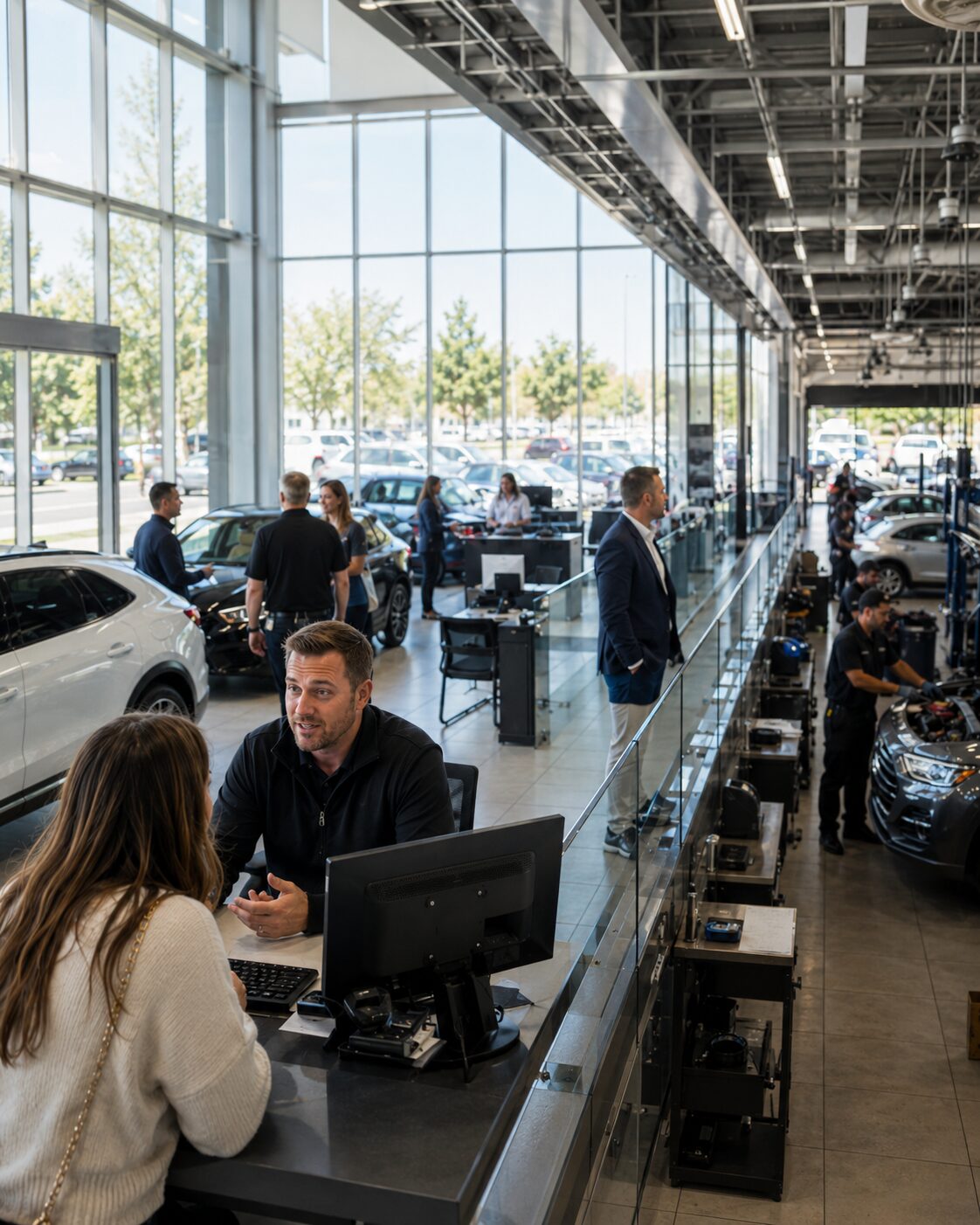
They lack rhythm.
A dealership can have the franchise, the facility, the inventory, the traffic, and good people — and still struggle to turn all of it into consistent performance. That’s rarely an effort problem. The departments are working hard. The store is busy. The numbers may even look acceptable on the surface.
But when too much depends on one person, one department, or one long-tenured manager, the business gets harder to lead, harder to stabilize, and harder to improve. The exposure shows up most when the store is facing a real test:
A dealership isn’t a collection of departments. It’s an operating system. When the rhythm is weak, profit leaks, accountability blurs, and leadership gets pulled into problems that should never reach the top.
Five questions that tell the truth fast:
If your service manager retired tomorrow, what breaks first?
If a key manager left, who really understands your vehicle and parts inventory - aging, obsolescence, warranty receivables, and margin exposure?
If your GM stepped away for 30 days, what would actually happen?
If your controller were out, would leadership still trust the numbers?
Do your meetings create action items, or do the same issues keep coming back?
If most of that still runs through you, the business may be profitable, but it isn’t durable – yet.
The good news: structure fixes this.
When a store gets tested by growth, transition, turnover, or a performance push – effort isn’t what holds. Discipline is.
The operators who come through those moments well tend to have the same things in place before they need them:
If those aren’t in place, performance slips – and it isn’t a sales problem.
It’s a structure problem.
And structure can be built.
That’s the difference between a dealership held together by people and one that runs on a system.
You find out what a store is built on when something changes.
A GM leaves. A key manager retires. Growth arrives faster than expected. The store either absorbs it — or it doesn’t.
What makes the difference usually isn’t talent. It’s whether the store has become more than the people who happen to be running it.
That’s when a store becomes an operating system.
A store with reporting it can trust, fixed ops it can see into, and leadership depth below the GM handles change differently.
When too much depends on one GM, one manager, or the dealer, integration risk rises and value drops.
The stores that command premium value aren’t just profitable.
They’re built to run without any one person at the center.
Structure doesn’t just protect value.
It multiplies it.
Daily numbers every department acts on
Financial visibility leadership trusts
Service and parts understood, not guessed
Managers who run the day without the GM
You find out what a store is built on when something changes.
A GM leaves. A key manager retires. Growth arrives faster than expected. The store either absorbs it — or it doesn’t.
What makes the difference usually isn’t talent. It’s whether the store has become more than the people who happen to be running it.
That’s when a store becomes an operating system.
A store with reporting it can trust, fixed ops it can see into, and leadership depth below the GM handles change differently.
When too much depends on one GM, one manager, or the dealer, integration risk rises and value drops.
The stores that command premium value aren’t just profitable.
They’re built to run without any one person at the center.
Structure doesn’t just protect value.
It multiplies it.
Discipline doesn’t just fix what’s broken. It opens doors that weren’t there before.
Sometimes that means adding a point or expanding what you have.
Sometimes it means finally getting fixed ops where it should be.
Sometimes it means preparing a newer GM to truly run the place.
Either way, structure creates options that people-dependent stores simply don’t have.
The goal isn’t complexity.
The goal is command.
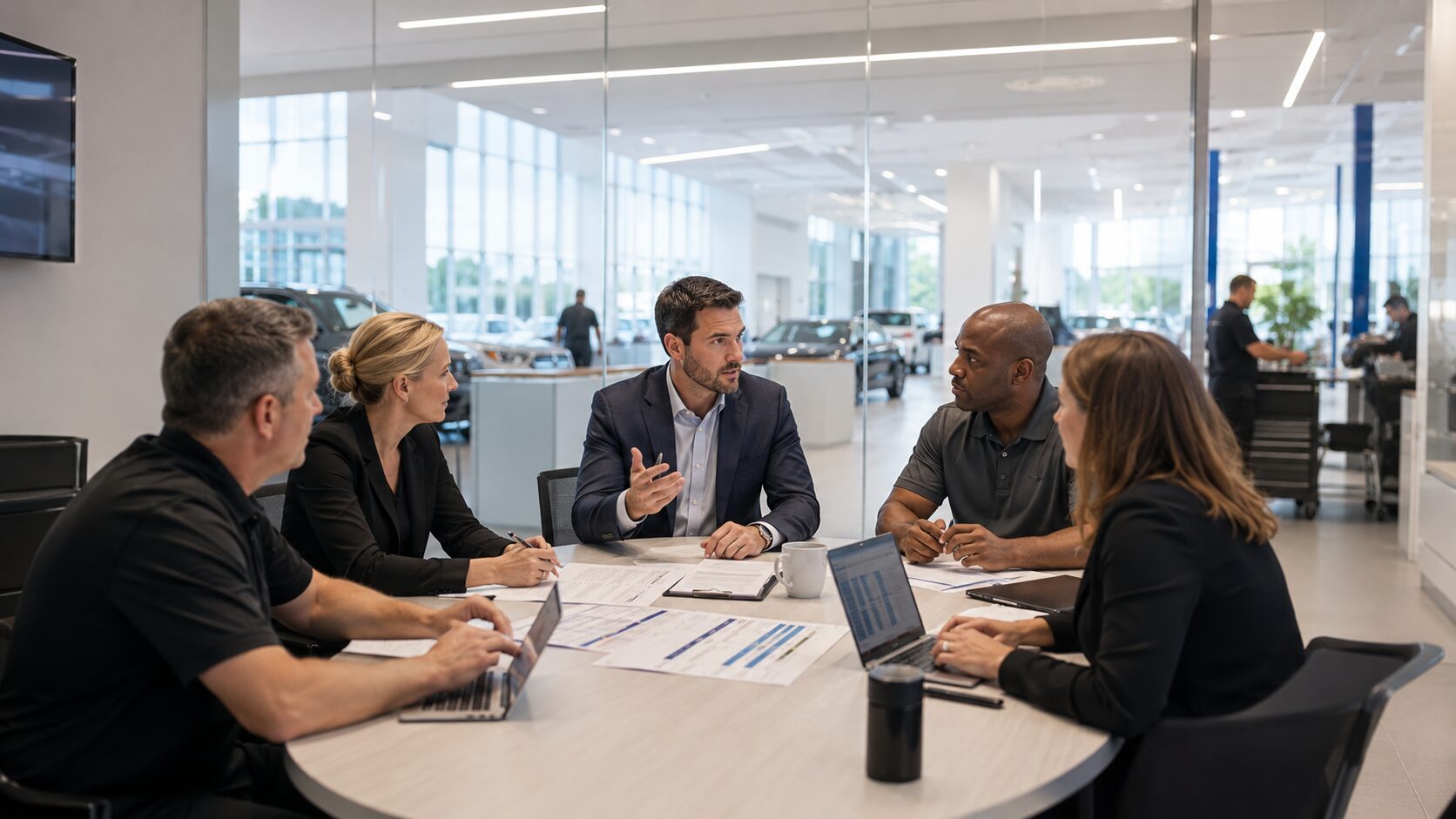
Where your store is today determines what's possible next. The structure you build now is what makes every stage ahead possible.
Tighter numbers, real fixed ops accountability, and action plans that don't die after the meeting.
A clear operating rhythm, visibility into what's slipping, and accountability that survives a change in people.
Processes that repeat across departments and points, with productivity and margin that hold as you grow.
Leaders ready to run the day without the GM - a store that runs on systems, not on you.
Buyer-ready financials and a store worth more because it doesn't depend on any one person.
Wherever you are on this path, the work that gets you to the next stage is the same: structure.
This work tends to fit dealer operators, GMs, and principals who:
Not every store is a fit — alignment matters.
But when the right structure is in place, the results can be significant.
21 questions across seven areas of your store.
About six minutes. Free. No obligation.
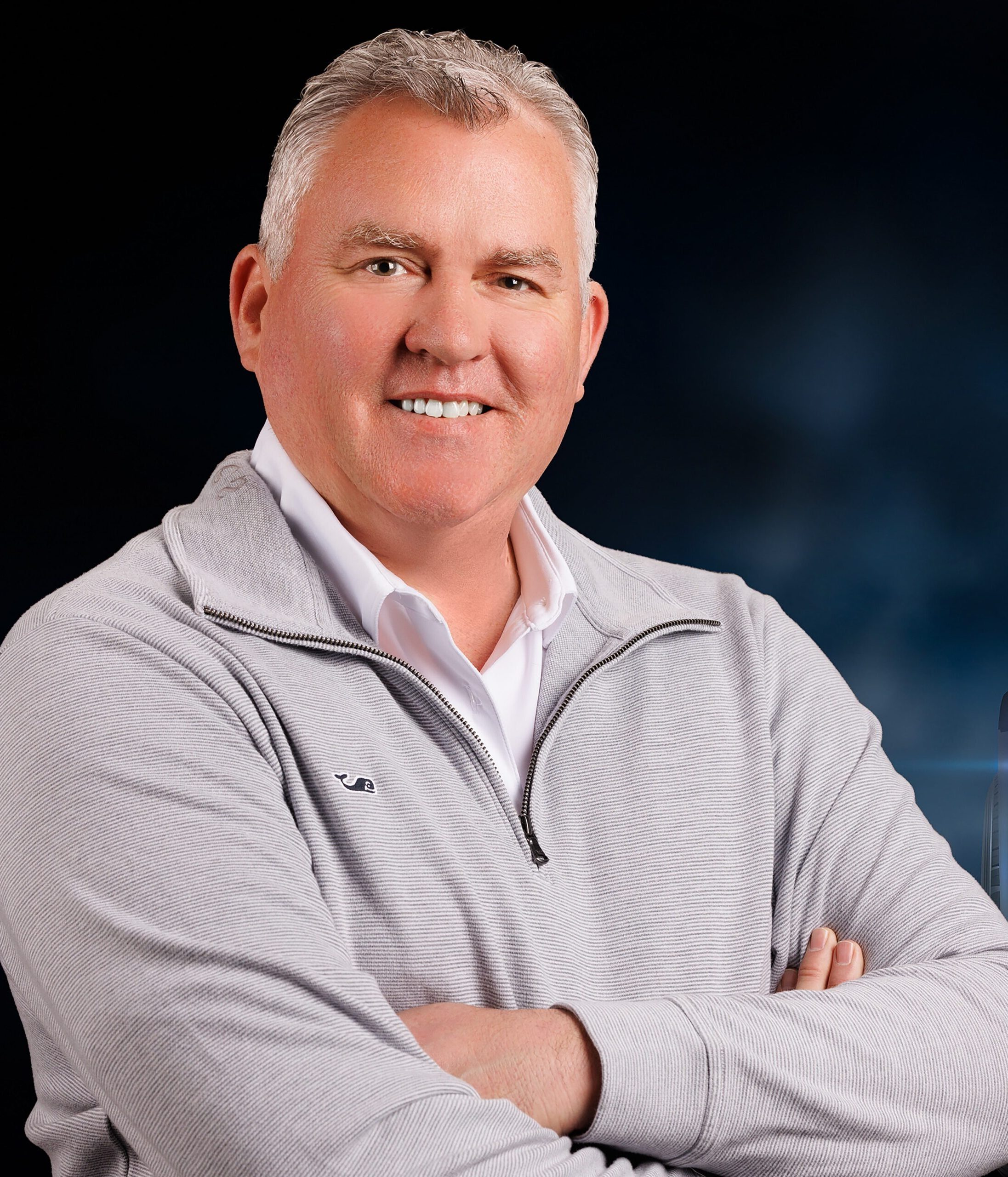
35+ Years | Franchise Dealer Experience | $500M+ Revenue | Multi-State Operations | Owner & Operator
I’ve spent 35 years as an owner and operator in the automotive industry building, scaling, acquiring, integrating, and operating businesses across franchise dealerships and independent multi-state operations.
I’ve worked in private, public, and private-equity-backed environments, scaled revenue to over $500M, and led growth, acquisitions, and integration work across multiple businesses.
I understand how buyers think because I’ve been on both sides of the table.
And I understand dealerships from the operator’s chair.
New. Used. F&I. Service. Parts. Accounting. Leadership.
My work now focuses on helping dealer operators and GMs install the structure that improves performance today and strengthens the store’s value tomorrow.
Not every opportunity is a fit. Alignment matters.
Most conversations start with a few plain questions:
Sometimes the result is a clear next step.
Sometimes it’s simply perspective.
Either way, you leave with a sharper read on where the store really stands.